Discover Japan at Your Own Pace
Japan travel over 50 can be especially rewarding when you give yourself time to notice the small details.
Years ago, I read a magazine article that said, “The core crime of the aged is velocity.” I took that to mean we move too slowly for a world that’s always in a hurry. I was young at the time, and the idea made sense to me. Today, I read it differently. We do move slower as we age, and that can be a good thing. By moving slower, we see more.
Why Slow Travel Works for Travelers Over 50
In Japan, slowness becomes an immense advantage.
As a life-experienced traveler, my body gave me no choice but to slow down.
Then I began to notice a world of small visual treasures hiding in plain sight during my travels in Japan.
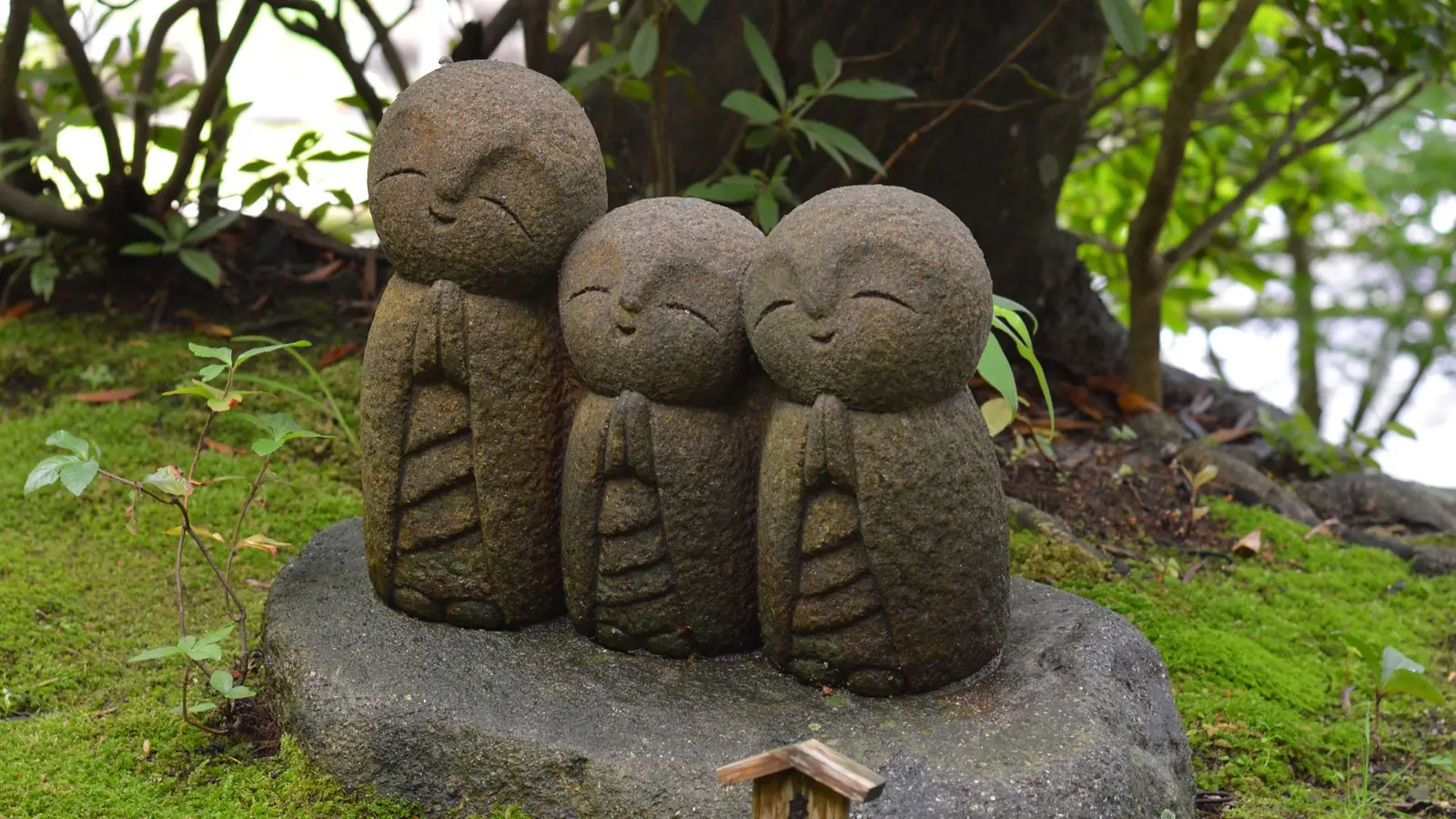
A beautiful garden may occupy less than two square feet. A small group of Jizo statues may sit just off the footpath. One of my favorite things to slow down and appreciate is the moss that covers many statues, ancient stone lanterns, and even large parts of some temple grounds.
At home, I often feel encouraged to move faster, even as I age. Even when my body needs a slower pace, that habit of rushing can be hard to shake. Each time I land in Japan, I have to remind myself to slow down for the first couple of days. Eventually, I settle into a more mindful pace and find myself soaking up the atmosphere.
What Is Slow Travel?
Over the past few years, slow travel has become part of the travel conversation. It means staying in one area longer, spending less time moving between destinations, and planning fewer activities each day. It can also mean taking the train instead of flying.
For those of us who are a little older, this approach can make a trip feel less hurried and more rewarding. It can also help reduce some travel costs, particularly when we make fewer long-distance journeys.
My first exposure to this concept came from Seth Stevenson book Grounded: A Down to Earth Journey Around the World. Stevenson chronicles his journey around the world by land and sea, using everything from trains and buses to camels and cargo ships, without taking a flight.
I don’t suggest going to that extreme, but I absolutely recommend spending more time at each location.
The true value of travel doesn’t come from collecting stamps in your passport or magnets for your refrigerator.
It comes from stumbling across candied sweet potatoes prepared by a woman who is the third generation of her family to make them. It comes from the woman at the coffee shop you’ve visited for the past three days telling you about the best tempura in the neighborhood.
It comes from starting to feel the rhythm of a place.
How to Plan a Slower Japan Itinerary
- Take that list of seven destinations to cover over two weeks and shave it down to two or three.
- Consider renting an apartment instead of staying at a hotel, especially if you want to settle into one neighborhood.
For more practical advice, read my tips for adjusting your travel plans as you age.
Slow Travel Can Offer Better Value
One of the great benefits of slow travel is simple math: your airfare expense is spread over more days. A flight from the US to Japan can be one of your biggest costs, whether you stay two weeks or four. If your time and budget allow, I highly recommend staying longer!
A longer stay costs more overall, but it gives you more time to experience Japan for the same cost of getting there.
For example, using a daily budget of $205 for accommodations, food, and transportation, a 14-day trip would cost $2,870 USD before airfare. Add an approximate $1,400 round-trip flight, and the total comes to $4,270. Airfare alone accounts for nearly a third of the trip’s total cost.
Using that same daily budget, extending your trip to three weeks brings airfare down to about 25% of the total cost. At four weeks, it drops below 20%.
These figures are an example, rather than a current price estimate. Your costs will depend on when you travel, where you stay, and how you spend your days.
The idea is that once you’ve paid to reach Japan, staying longer helps you settle in. You have more time to enjoy the journey without rushing toward a tight schedule. The longer pace lets you savor local customs, stay flexible, and avoid burnout.
Instead of rushing off for a schedule that resembles a scavenger hunt, you can explore. Visit an izakaya, a casual Japanese pub serving drinks and small dishes, at a relaxed pace.
Finding Happiness in Everyday Moments
“Travel changes you.
As you move through this life and
this world you change things slightly,
you leave marks behind,
however small.
And in return, life—and travel—
leaves marks on you.”– Anthony Bourdain
As I’ve extended my visits to Japan and reduced the number of destinations on my itinerary, I’ve felt these words of Anthony Bourdain in a thousand different ways.
My Japanese teacher and I once discussed the idea of “simple happiness.” I often reflect on how that phrase captures so many of the moments I treasure from my time in Japan.
Simple happiness like a great bowl of soba noodles. Simple happiness like the sound of early morning crows in Tokyo, or the boundless joy young schoolchildren show when you greet them on their way to school with an awkward “Ohayou gozaimasu,” meaning “good morning.”
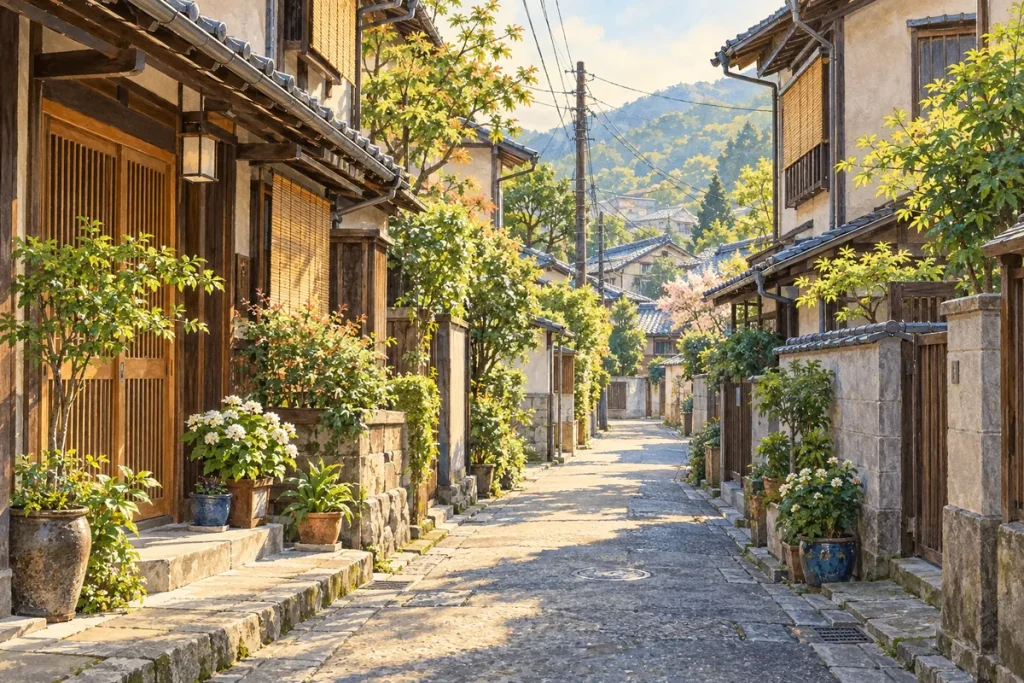
Slowing down can change your mental picture of Japan. Instead of thinking only of the famous Shibuya scramble crossing, you may find yourself remembering a quiet walk down a narrow street that hasn’t completely woken up yet.
For me, that is one of the great pleasures of Japan travel after 50: giving ourselves permission to experience more by scheduling less.
The slower you go, the more you feel. If our slower velocity is the “crime of the aged,” go ahead and be guilty. Taking your time is the ultimate luxury.