One of the reasons I hear for not traveling Japan, especially among Life-Experienced Adults, is that they fear the language barrier. I fully understand that. However, language literacy is not a reason to avoid experiencing all the country and people have to offer.
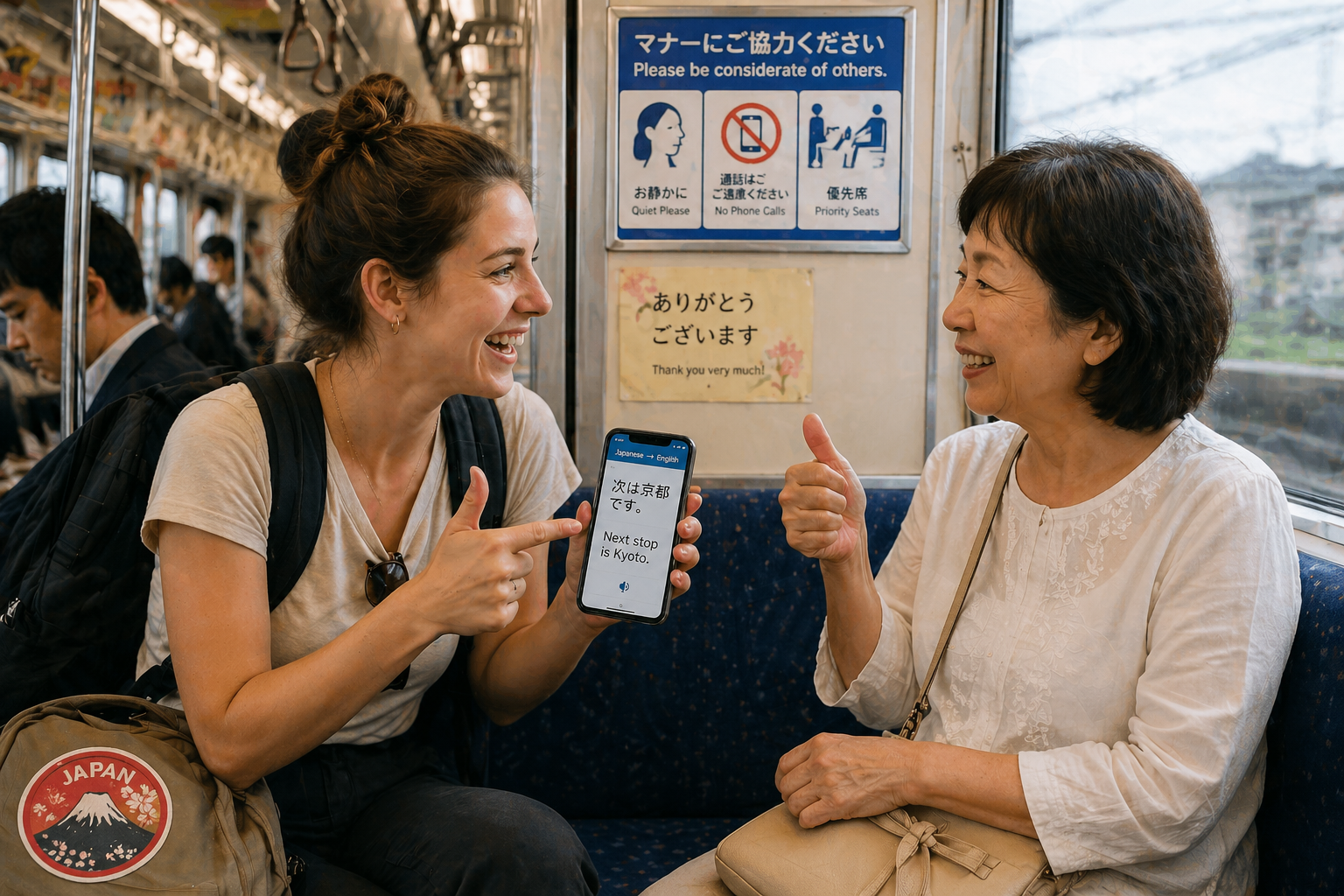
My first trips to Japan were before I studied the language. I was a little concerned, but I’ve traveled to other countries without language literacy and been fine. It’s been my practice for years to learn 20 or so words like hello, thank you, and restroom prior to the trip. Now that there are tools like Google Translate, in my opinion, language literacy is not an issue at all.
Does it help to speak at least a little Japanese? Yes! My most recent trip was an eye opener as to just how big of a difference it makes. Even on my best day, I can’t say that I speak any noticeable Japanese, but I know enough to try to speak. Even with my extremely limited vocabulary and awkward sentence structure, my interactions were vastly different.
In short, it is not necessary, but yes, it does help.
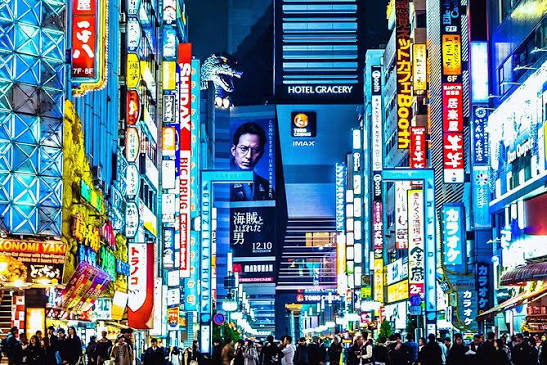
The more important literacy is cultural literacy. A couple of years ago I met my friend Kaz and his family for lunch in Osaka. I told Kaz how surprised I was at the massive tourist presence in Tokyo and Osaka that trip. I said it was so bad that my wife Yuka, Tokyo born, said she felt like an outsider when we were in Shinjuku. I also told him that I get it, I’m part of the problem, but it still seems like a problem.
What Kaz said in response really surprised me. He said, yes there are a lot of tourists, but he also said that I was different. He said even that first time I was in Japan, I was respectful of the culture and knew how to behave like the locals. This really struck me in that yes, I did a lot of research before the trip, but the more I thought about it, and the more I watched tourists, I understood what he meant. Following are some tips to help your Cultural Literacy:
Keep it Down
Japan is a quiet, peaceful country. Speaking loudly is generally frowned upon. The culture is built around being courteous to those around you. Americans, in general are big. With big voices, and big gestures. This is a decided issue on trains. Trains are extremely quiet. No phone calls, no loud chatting. Use your church voice in while in a train, or better yet, stay silent like everyone else.
Shoes
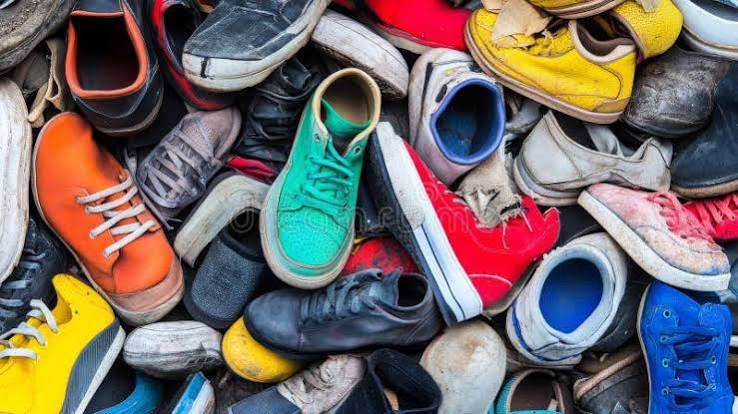
There are many places where you are expected to remove your shoes. All homes, most all temples, even some restaurants and hotels are “shoes off” zones. I stayed at a ryokan (a hotel with a public bath) in Asakusa. Before reaching the reception area, you are asked to remove shoes. I was shocked to hear pushback from an American checking in. The floors of the hotel were tatami mats, and it made perfect sense. I just shook my head.
Leave Special Food Orders at Home
Japan has a deep food culture. Many times, you will be in a restaurant that has been serving the same dish, or type of dish for several generations. Needless to say, they know how to make it. Not only is it considered extremely rude, but it could be perceived as downright offensive. Japan has some of, if not the best food in the world. Don’t screw it up.
No Tipping – I mean it.
At first glance no tipping is a 20% discount on meals. It’s actually much more than that. The culture is such that there is a word; ganbatte, that loosely translates to “do your best effort.” People should do their best with every task. That is expected of a member of society. Tipping someone for service is seen as an insult. To stress this point, I was in Kumamoto last year and hired a taxi to take us to a landmark some 30 minutes out of the city into the countryside. The location was remote and the driver said he would be happy to wait for an hour or so, to be sure we had a ride back. I was so grateful for the offer. Once we were back in Kumamoto and he dropped us off, I asked if I could give him some extra money, not as a tip, but rather as a way to treat him and his wife to a meal. He was grateful, but he refused.
Walking is a Time for Walking
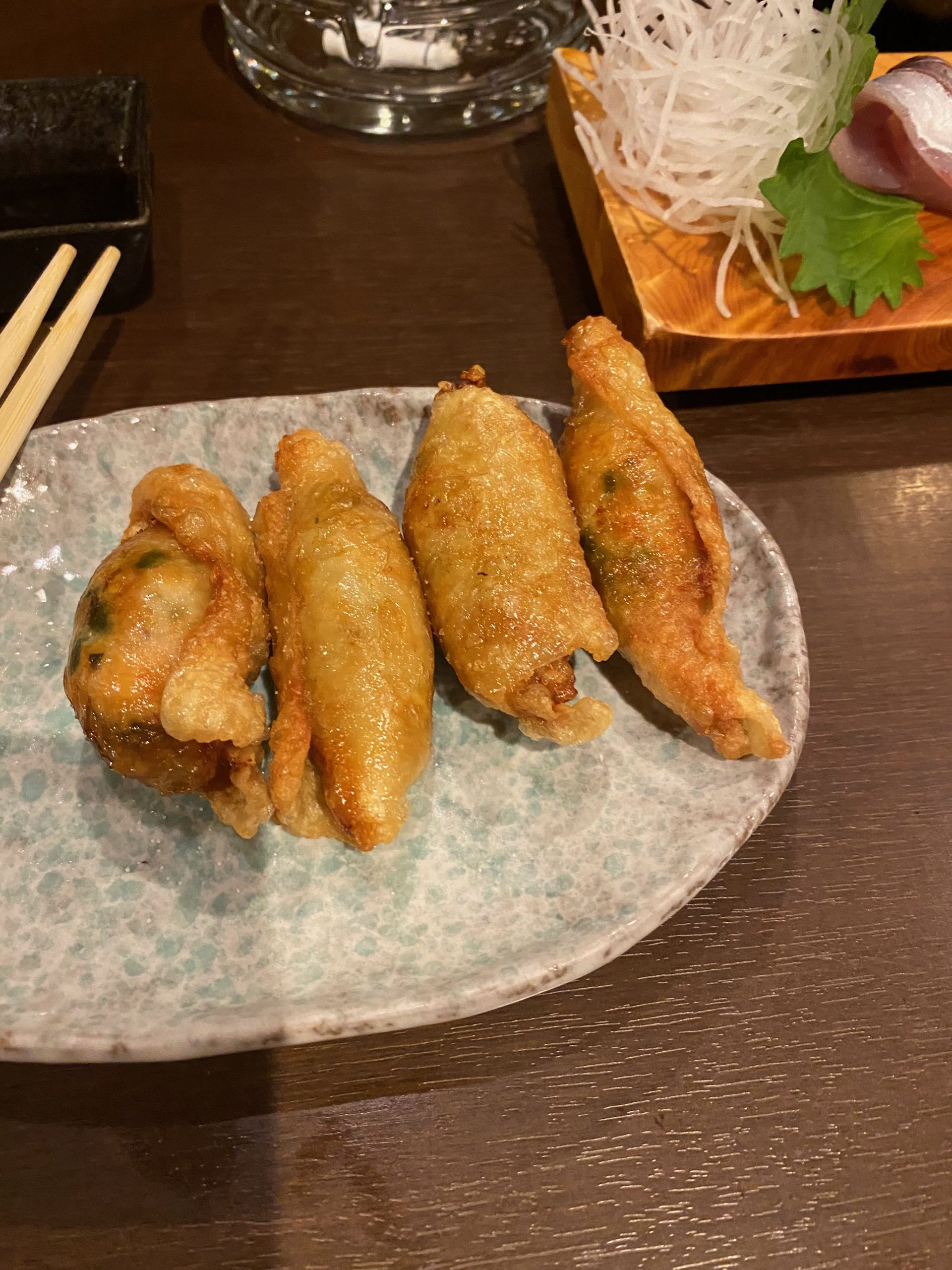
One of the first things you will notice in Japan is just how clean everything is. One of the hygienic practices is that eating is done stationary. Eating and drinking while you are walking is just not done. The roots of this were for sanitation – no food on the ground means fewer pests. There are exceptions, such as festivals and street fairs. Even places with tons of food stalls like Tsukiji Outer Market, one is expected to find a place to stand or sit. Again, it’s about the courtesy to others.
Keep Plenty of Plastic Shopping Bags Handy
You won’t notice this until it’s inconvenient, I promise, but you will not see many trash cans in the street. If you have a snack or a drink, be prepared to carry it around with you until you find a trash can. Keeping a plastic bag with you keeps everything in your bag clean until you find somewhere to put it. Convenience stores and train stations will have a trash receptacle.
You will find more rules that rule Japan in our cheat sheets. For now, know that if you have a little cultural literacy, coupled with genuine curiosity, you shouldn’t be concerned with not knowing how to speak Japanese. Besides, with the buildup to the 2020 Olyimpics, there is more English signage in the major cities and on trains.